Introduction
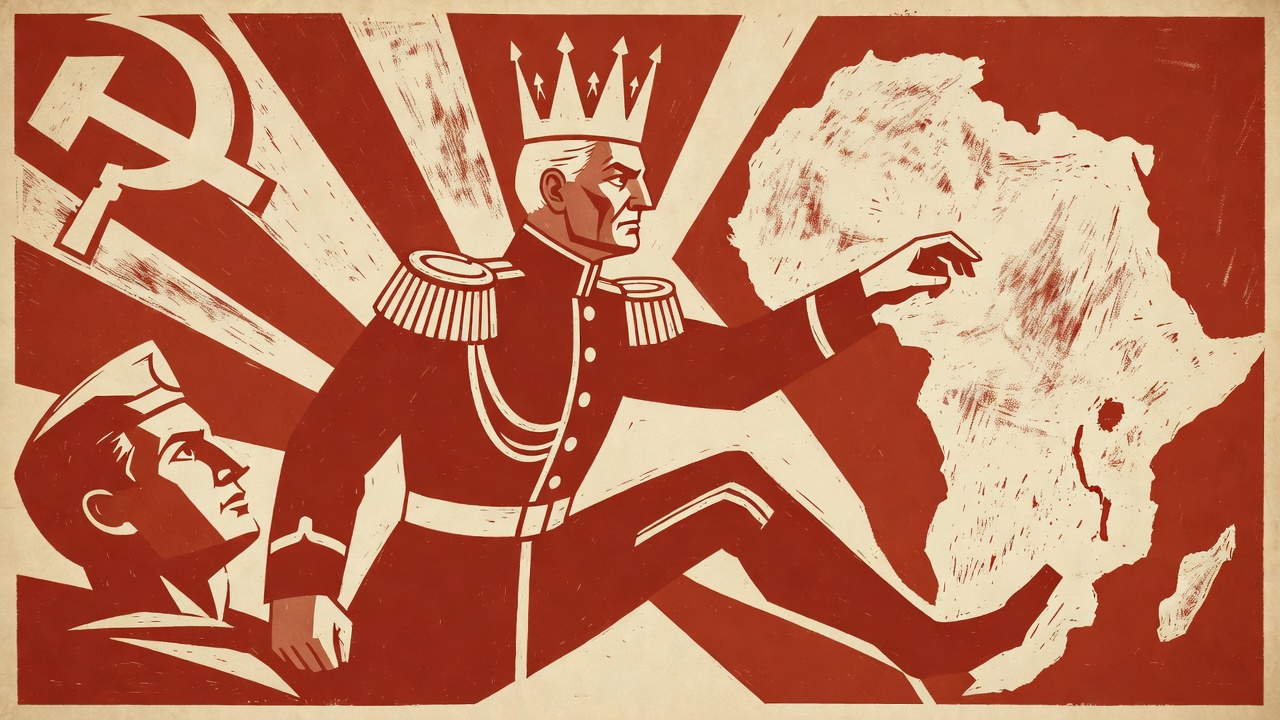
V. I. Lenin's seminal work, 'Imperialism, the Highest Stage of Capitalism' (1916), argued that monopoly capitalism inevitably leads to imperialism, characterized by the export of capital, division of the world among monopolies, and intensified exploitation. This stage, Lenin posited, heightens class contradictions and inter-imperialist conflicts, setting the stage for proletarian revolution. Though Lenin did not phrase it exactly as 'Imperialism is the Eve of Revolution,' the essence captures his view that imperial overreach precipitates revolutionary crises.
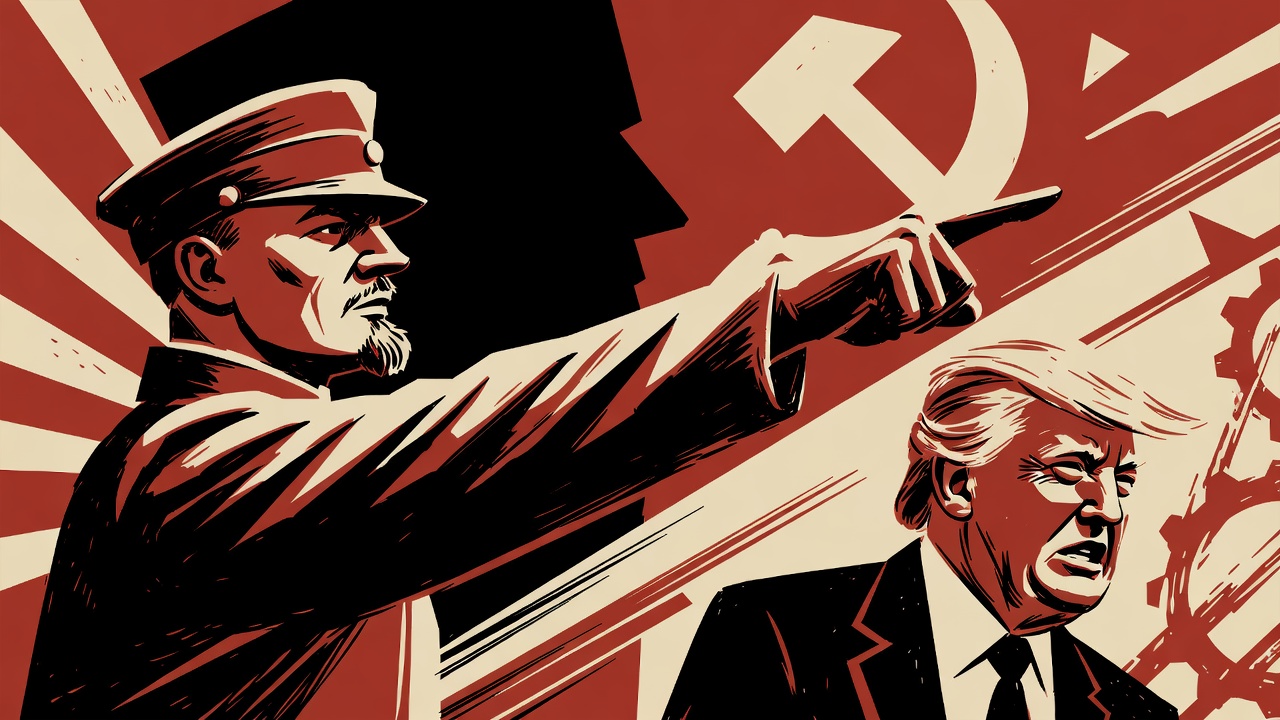
In early 2026, with Donald Trump back in the White House following his 2024 victory, a series of recent actions starkly illustrate this thesis. Trump's aggressive trade policies, military escalations, and domestic crackdowns not only embody U.S. imperialism but also accelerate the very contradictions that could spark revolutionary movements. This article examines these developments through a materialist lens, demonstrating how Trump's maneuvers prove Lenin's foresight.
Escalating Trade Wars and Economic Imperialism
One of Trump's first acts in his second term was imposing sweeping tariffs on imports from China, Mexico, and the European Union, announced on January 20, 2026—Inauguration Day. These tariffs, ranging from 25% to 100% on key sectors like electronics, automobiles, and steel, were justified as protecting American jobs but represent classic imperialist protectionism. By shielding U.S. monopolies from competition, Trump aims to reassert dominance in global markets, echoing Lenin's description of imperialism as the 'monopoly stage' where finance capital seeks to partition the world.
This policy has immediate repercussions. Chinese retaliation, including restrictions on rare earth exports critical for U.S. tech industries, has disrupted supply chains, leading to factory shutdowns and layoffs in states like Michigan and Ohio. Domestically, inflation has spiked, with consumer goods prices rising 15% in the first week alone, disproportionately burdening the working class. These economic shocks heighten class antagonisms: while corporate profits for protected industries soar, workers face wage stagnation and job insecurity. Lenin warned that such imperialist maneuvers create 'parasitism and decay' in the imperialist core, fostering conditions for working-class revolt as the proletariat bears the costs of monopoly preservation.
Furthermore, Trump's January 22, 2026, executive order mandating 'Buy American' clauses in all federal contracts funnels billions to U.S. conglomerates like Boeing and Lockheed Martin, subsidizing military-industrial capital. This not only exacerbates global inequalities but also intensifies inter-imperialist rivalries, as EU leaders threaten countermeasures, potentially fracturing alliances like NATO. Such divisions, per Lenin, are harbingers of war and revolution, as competing imperial powers clash over shrinking markets.
Military Interventions and Global Hegemony
Trump's foreign policy has ramped up U.S. militarism, proving Lenin's point that imperialism relies on force to maintain exploitation. On January 25, 2026, Trump authorized drone strikes in Yemen targeting Houthi positions, ostensibly to secure Red Sea shipping lanes amid ongoing conflicts tied to the Gaza crisis. This intervention, expanding U.S. involvement in the Middle East, protects oil routes vital for Western capital but at the cost of civilian lives and regional instability.
Simultaneously, Trump deployed additional troops to the U.S.-Mexico border on January 24, 2026, under the guise of combating 'invasion' by migrants, while signing deals with private contractors for expanded wall construction. This militarization of immigration policy serves imperialist ends: it disciplines cheap labor flows to benefit U.S. agribusiness and manufacturing, while stoking racist divisions to deflect from class issues. Lenin noted that imperialism divides the working class through nationalism and racism, but such tactics ultimately backfire, as oppressed groups organize resistance. Already, migrant worker strikes in California and Texas have erupted, linking with broader labor movements against exploitation.
Trump's bellicose rhetoric toward China, including threats of naval blockades in the South China Sea announced on January 26, 2026, risks direct confrontation between nuclear powers. This escalation embodies Lenin's analysis of imperialism leading to world wars, as rival blocs vie for dominance. The resulting arms race—Trump's proposed $1 trillion military budget increase—diverts resources from social needs, deepening domestic crises like homelessness and healthcare shortages, which fuel revolutionary potential.
Domestic Repression and Class Contradictions
At home, Trump's actions reveal imperialism's boomerang effect on the metropole. On January 23, 2026, he invoked the Insurrection Act to deploy federal forces against protests in major cities sparked by his tariff-induced price hikes and border policies. This crackdown, targeting labor unions and anti-war activists, mirrors the repressive apparatus Lenin described as necessary for maintaining imperialist rule amid growing unrest.
The purge of 'disloyal' elements in the federal bureaucracy, initiated January 21, 2026, consolidates power in the hands of a capitalist clique, eroding even bourgeois democratic norms. Lenin argued that imperialism decays democracy, leading to authoritarianism as the ruling class struggles to contain contradictions. These moves have galvanized opposition: wildcat strikes in the auto industry, student occupations on campuses, and community defenses against deportations signal emerging revolutionary consciousness. The working class, squeezed by economic imperialism abroad and repression at home, is increasingly turning to radical solutions.
Why This Proves Lenin
Trump's recent actions—tariffs, military strikes, border militarization, and domestic suppression—exemplify imperialism's logic: the desperate attempts of decaying U.S. capitalism to prolong its hegemony through force and protectionism. Yet, as Lenin predicted, these efforts only sharpen contradictions: between imperial powers, between capital and labor, and within the ruling class itself. Economic disruptions breed mass discontent; military adventures drain resources; repression sparks resistance. The 'eve of revolution' is marked by such intensifications, where the system's unsustainability becomes evident to the masses.
For socialists, the task is not to lament but to organize. Trump's imperialism creates objective conditions for revolution, but subjective factors—a vanguard party and class consciousness—must be built. Workers' internationalism, opposing both U.S. and rival imperialisms, is key to transforming crisis into socialist transformation.
Conclusion
In just one week of his second term, Trump has unwittingly validated Lenin's thesis. Imperialism, far from stabilizing capitalism, accelerates its downfall by fomenting crises that awaken the proletariat. The eve of revolution is upon us—not as inevitability, but as possibility forged through struggle. Socialists must seize this moment to build the movement that turns imperial decay into workers' power.
Sources & References
Embedded Links
- No embedded links in this article
References
- [1] Imperialism, the Highest Stage of Capitalism
By V. I. Lenin
Published: 1916
- [2] Not One Inch: America, Russia, and the Making of Post-Cold War Stalemate
By M.E. Sarotte
Published: 2021
Publisher: Yale University Press
- [3] The New Jim Crow: Mass Incarceration in the Age of Colorblindness
By Michelle Alexander
Published: 2010
Publisher: The New Press