
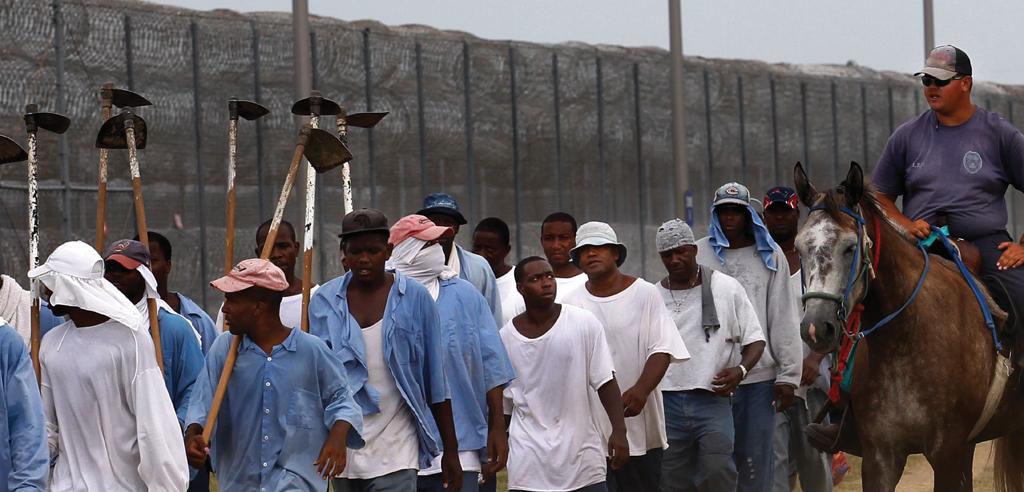
The Thirteenth Amendment to the U.S. Constitution, ratified in 1865, states: 'Neither slavery nor involuntary servitude, except as a punishment for crime whereof the party shall have been duly convicted, shall exist within the United States.' That exception—'except as a punishment for crime'—created a constitutional loophole that has enabled the continuation of forced labor through the carceral state.
From Chattel Slavery to Convict Leasing
Following abolition, Southern states rapidly criminalized behaviors associated with Black life—vagrancy, loitering, unemployment—to funnel newly freed people into prisons where they could be leased to private companies. Convict leasing generated substantial profits for both states and corporations while recreating conditions of slavery. Prisoners worked in mines, on plantations, and building railroads under armed guard, receiving no wages and enduring brutal conditions that often resulted in death.
While convict leasing formally ended in the early twentieth century, prison labor continued. Today, approximately 800,000 incarcerated people work in federal and state prisons, many earning less than one dollar per hour. Prison industries produce goods ranging from military equipment to office furniture, generating over one billion dollars annually while prisoners remain excluded from minimum wage protections and labor organizing rights.
Structural Function of Mass Incarceration
The expansion of the U.S. prison population from approximately 300,000 in 1970 to 2.3 million today cannot be explained by rising crime rates, which have fluctuated independently of incarceration rates. Mass incarceration serves multiple functions for capital: it warehouses surplus labor made redundant by deindustrialization, it disciplines the working class through the threat of imprisonment, and it generates profits through prison labor and the prison-industrial complex of private contractors.
The disproportionate incarceration of Black Americans—who constitute 38% of the prison population despite being 13% of the U.S. population—reveals the system's continuity with chattel slavery. The Thirteenth Amendment's exception enabled a transition from racial slavery to racialized mass incarceration, maintaining systems of exploitation and social control under new legal forms. Abolishing prison slavery requires not reform but the complete dismantling of the carceral state and construction of a society that does not require caging human beings for profit.
Sources & References
Embedded Links
- No embedded links in this article
References
- [1] The New Jim Crow: Mass Incarceration in the Age of Colorblindness
By Michelle Alexander
Published: 2010
Publisher: The New Press
- [2] Slavery by Another Name
By Douglas A. Blackmon
Published: 2008
Publisher: Doubleday